Home / Goodyear Vehicle Wraps & Graphics / Goodyear Bus Wraps
A bus gives your message room to move, and plenty of room to be seen. Fast-Trac Designs creates custom bus wraps for businesses and organizations serving Goodyear, including shuttle operators, schools, churches, nonprofits, tour companies, event transportation providers, hospitality groups, and commercial fleets. We design graphics around the actual size, shape, windows, doors, panels, and operating purpose of each vehicle. From a single passenger shuttle to a coordinated group of buses, our Phoenix-based team manages design, printing, production, and certified installation. The finished wrap gives your organization a clear, professional presence wherever the route leads.
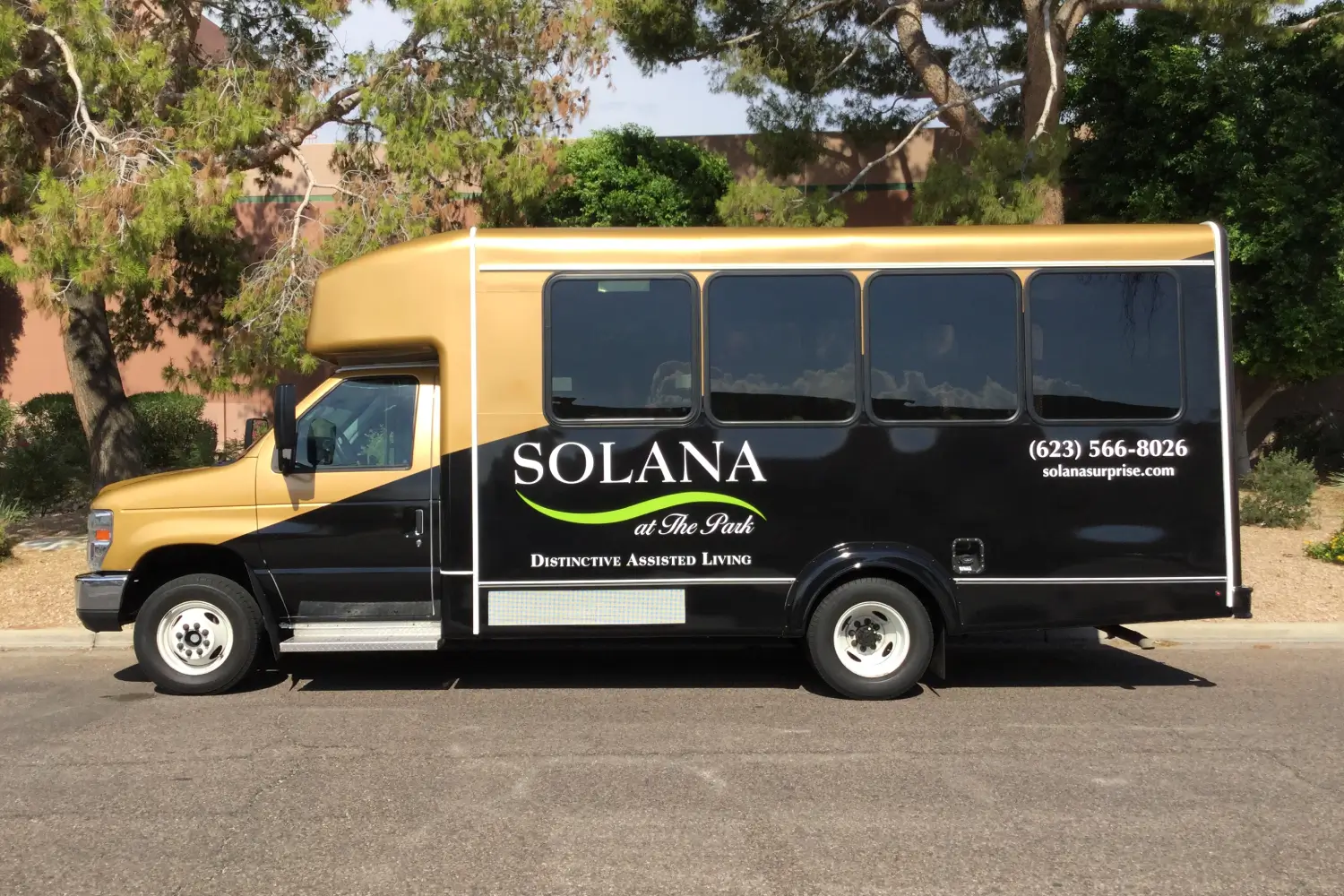

Fast-Trac Designs has served Arizona since 2007, helping businesses and organizations create more recognizable branding across vehicles, fleets, storefronts, signs, apparel, and printed materials. Bus projects require detailed measurements, accurate artwork, controlled production, and careful installation across a much larger surface than a standard passenger vehicle. Our team coordinates the project through our Phoenix operation, from initial design planning to final installation. We use recognized vinyl products from manufacturers such as 3M and Avery for commercial graphics projects. You review the proposed design before printing begins, helping confirm the messaging, coverage, colors, and layout before the vehicle enters production.
A strong bus wrap should reflect both the organization and the way the vehicle is used. A church shuttle, school activity bus, hotel transport vehicle, tour bus, senior-community shuttle, and event bus may all require different priorities. To prepare a project-specific quote, provide the bus year, manufacturer, model, length, photos, desired coverage, current graphics, and any equipment or surface features that could affect installation. We will also need the logo, brand standards, required wording, sponsor information, and any deadlines connected to an event, launch, or operating schedule. With those details in place, we can develop a wrap plan that looks intentional across a large vehicle instead of simply filling the available space.
Bus wraps need to work around more than broad side panels. Passenger doors, emergency exits, storage compartments, wheel wells, vents, reflectors, lights, windows, seams, trim, and safety markings all influence the design. We plan the layout around these features so important words and graphics are not broken by moving components or placed where they become difficult to read.
The coverage can be adjusted to the project. A full bus wrap creates a broad visual transformation and gives our designers the greatest control over color, imagery, and messaging. A partial wrap can use selected areas of the bus while incorporating the existing paint into the design. Lettering, logos, route identification, sponsor graphics, and spot decals may be more appropriate for organizations that want a simpler or more flexible solution. Businesses continue to invest in this type of public visibility, with U.S. transit advertising revenue increasing 18% year over year during the first quarter of 2026—the strongest growth among major out-of-home formats.
A strong bus wrap should reflect both the organization and the way the vehicle is used. A church shuttle, school activity bus, hotel transport vehicle, tour bus, senior-community shuttle, and event bus may all require different priorities. To prepare a project-specific quote, provide the bus year, manufacturer, model, length, photos, desired coverage, current graphics, and any equipment or surface features that could affect installation. We will also need the logo, brand standards, required wording, sponsor information, and any deadlines connected to an event, launch, or operating schedule. With those details in place, we can develop a wrap plan that looks intentional across a large vehicle instead of simply filling the available space.
Bus-wrap pricing depends on the vehicle length, height, body configuration, amount of coverage, design requirements, vinyl selection, window graphics, existing decals, surface condition, and installation complexity. A small shuttle bus with partial graphics requires a different level of production than a full wrap on a large passenger or transit-style bus. Accurate vehicle photos, measurements, and project goals are necessary for a reliable quote.
We can create graphics for many types of passenger and commercial buses, including shuttle buses, school activity buses, church buses, tour buses, hotel shuttles, senior-community transportation, event buses, promotional buses, and selected transit-style vehicles. The project requirements depend on the exact body style, surface materials, windows, doors, compartments, and existing equipment. Vehicle details should be reviewed before design begins.
Full exterior coverage may include selected window areas using perforated window film when appropriate. The design, vehicle use, passenger visibility, applicable requirements, window condition, and coverage location must all be considered. Not every window or project should be treated the same way. We plan window graphics as part of the overall layout rather than adding them after the main design is complete.
Yes. A consistent fleet does not require every bus to have the same dimensions. We can preserve the logo, colors, type styles, imagery, core messaging, and visual structure while adapting the layout to different bus lengths, window arrangements, door locations, and body configurations. This helps multiple vehicles look connected without forcing one design onto surfaces that do not match.
Yes. Sponsor logos and partner information can be included when the artwork and approvals are available. The design should establish a clear hierarchy so the primary organization remains identifiable while sponsors receive appropriate placement. Providing vector logo files and confirming the required order, size relationships, and approval process early can help avoid delays during design.
We map the artwork around functional features before production. Important names, faces, logos, phone numbers, and calls to action should not be divided by door openings, handles, emergency exits, storage compartments, or mechanical areas. Some graphics may continue across moving panels, but the design must still make sense when the doors or compartments are in use.
Existing vinyl can often be removed, but removal time and results depend on the age, material, exposure, adhesive condition, and quality of the original installation. Large buses may have multiple generations of decals or graphics applied to different surfaces. Removal can also reveal fading, adhesive residue, repairs, corrosion, or paint differences. Current photos should be included with the quote request so the existing condition can be evaluated.
The bus should arrive clean and without wax, polish, heavy road residue, or products that may interfere with adhesion. Surface damage, peeling paint, rust, loose trim, failing sealant, and repaired panels should be identified before the installation date. Exterior equipment and access limitations should also be discussed in advance. We provide project-specific preparation instructions once the vehicle and coverage have been reviewed.
Timing varies according to vehicle size, coverage, design complexity, preparation, removal work, production needs, crew requirements, and installation scheduling. A simple lettering project and a complete large-format wrap do not follow the same timeline. Design approvals and printing take place before installation. We discuss timing around the actual bus and project scope so the organization can plan for vehicle availability.
Gentle, regular cleaning helps preserve the appearance of the graphics. Hand washing with mild automotive soap, clean water, and soft materials is generally the safest method. Avoid harsh chemicals, abrasive brushes, aggressive scrubbing, and high-pressure spraying close to vinyl edges. Drivers or maintenance teams should report lifting, impact damage, or worn areas early so the condition can be reviewed before a small issue becomes more extensive.


